How Much Does It Cost to Install a Level 2 EV Charger?
EV charger installation cost depends on panel capacity, wiring distance, permits, and charger type. Get an electrician's site-specific quote that separates the charger from the electrical work and any required upgrades.
On this page (8 sections)
- What affects EV charger installation cost most?
- How much charging power do you actually need?
- Is hardwired or plug-in installation cheaper?
- Which chargers fit different installation plans?
- What should a complete installation quote include?
- Can rebates lower the total cost?
- What setup and care mistakes should you avoid?
- How should you decide what to spend?
EV charger installation cost depends on your home's electrical capacity, the wiring route, and the work needed at the parking space. A suitable existing circuit can simplify the job; panel changes, trenching, or a difficult cable route can make it much larger.
Build your budget around the complete installation, with the charger shown separately. There isn't one useful national total that can replace an assessment of your home.
Before choosing equipment, decide where you'll park and how much charge you need overnight. Those choices help an electrician design a circuit that fits your driving rather than the charger's highest output.
What affects EV charger installation cost most?
Available electrical capacity and the route from the panel to the charger usually shape the job. Local labor, permits, inspections, and repairs also affect the final bill.
A short run along an accessible garage wall involves different work from a route through finished rooms or beneath a driveway. Ask for a route you can picture, including any holes, exposed conduit, or digging.
How does the electrical panel change EV charger installation cost?
Available capacity matters more than empty breaker spaces. An electrician should review the home's existing loads before deciding whether it can support another circuit.
A full panel and an overloaded service are different problems, so ask exactly which limit applies. Moving breakers doesn't create more electrical capacity.
If the proposed setup needs an upgrade, request an explanation of the alternatives. A lower charging current or compatible load management may be possible, but either must suit the equipment and local requirements.
Read our guide to EV charger breaker size before discussing options. The breaker, wiring, charger settings, and home's capacity must work together.
Does a longer wire route always mean a bigger bill?
Length adds material, but access can matter just as much. A shorter route inside finished walls may take more labor than a longer, accessible route.
Ask whether moving the charger closer to the panel would reduce the work without making daily charging awkward. Check the cable path to the car in its normal parking position, including where its charging port sits.
Detached garages need particular attention. The quote should explain any underground work, existing garage supply limits, and responsibility for restoring disturbed surfaces.
How much charging power do you actually need?
Choose output around your daily driving and parked time, rather than paying for the highest available current by default. Your vehicle's AC charging limit also caps how much power it can accept.
Tell the electrician how much driving you usually replace overnight and when the car is home. A lower-output installation may meet that need while placing less demand on the home's electrical system.
Allow for occasional longer trips, but don't size the whole project around the rare night you arrive nearly empty. Consider how often public charging would cover that exception.
If your mileage is low, first review whether you need a Level 2 charger at home. Avoiding an unnecessary upgrade is more useful than buying extra capacity you won't use.
Is hardwired or plug-in installation cheaper?
A suitable existing outlet can favor plug-in charging; a new installation needs quotes for both approaches. Hardwiring avoids the need for a receptacle, but it still requires proper circuit design and professional connection.
Don't assume an outlet is ready because the plug fits. Have its condition, circuit capacity, grounding, and required protection checked before using it for routine EV charging.
A plug-in charger suits someone who may move and wants to take the unit along. A hardwired charger suits a permanent parking space, especially when the desired output calls for a direct connection.
Compare the same location and charging output when requesting estimates. Our guide to hardwired versus plug-in EV chargers explains the practical tradeoffs.
Which chargers fit different installation plans?
Choose equipment that matches the approved circuit, your car's connector, and the features you'll use. These 4 options suit different plans, but none removes the need to assess the home's wiring.
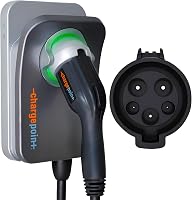
ChargePoint HomeFlex: for permanent charging with app controls
The ChargePoint HomeFlex suits drivers who want a hardwired installation with reminders, charging information, and smart-home connections through the ChargePoint app. Its J1772 connector needs a suitable adapter for a vehicle with a different port.
Choose it if app controls are part of your daily routine and you have WiFi where needed for its connected functions. Skip this version if your plan is to reuse an approved outlet without changing to hardwiring.
ChargePoint specifies indoor or outdoor installation and a cold-resistant cable. Still plan a mounting spot that keeps the cable clear of tires and walking paths.
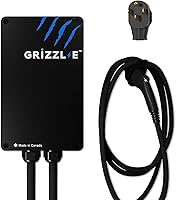
Grizzl-E Classic: for a straightforward plug-in setup
The Grizzl-E Classic suits buyers who want a plug-in unit with a metal enclosure rather than choosing primarily around phone controls. Its 24 ft cable helps when the outlet and vehicle port aren't directly beside each other.
Choose it when an electrician approves the outlet and sets the unit for that circuit. Skip it if you want the app scheduling and charge tracking offered by the connected models here.
Don't copy an amperage setting from another installation. The correct setting depends on your own circuit, even when two garages have the same outlet shape.
EVIQO: for a planned hardwired circuit and energy tracking
The EVIQO suits drivers planning a dedicated circuit who want app scheduling and charge-energy tracking. Its standard 48A setup requires a dedicated 60A, 240V circuit, so confirm capacity before ordering.
Choose it if you can provide the required 2.4 GHz WiFi connection and want to manage charging from your phone. Skip it if you need a plug-in charger or can't justify the electrical work for that output.
EVIQO includes a glow-in-the-dark connector holster and backs the charger with a 3-year warranty. Position the holster where you can dock the connector without bending down behind the car.
Wallbox Pulsar Plus: for plug-in charging with connected controls
The Wallbox Pulsar Plus suits buyers with an approved outlet who also want phone controls. It offers WiFi and Bluetooth connectivity, with app monitoring and charging schedules.
Choose this version when the plug-in format fits your electrical plan. Skip it if your project calls for a hardwired unit; this is the 40A NEMA 14-50 model.
Wallbox specifies indoor and outdoor use, but an outdoor installation still needs suitable mounting and electrical protection. For a wider overview, compare Level 2 EV charger options for home.
What should a complete installation quote include?
A useful quote names the work, equipment, and exclusions, rather than giving one unexplained total. Send each electrician the same proposed location and charger requirements so their estimates are comparable.
Ask for these items in writing:
- Electrical capacity assessment and proposed charging current
- New circuit, wiring route, conduit, and circuit protection
- Outlet installation or hardwired connection
- Charger mounting and connector storage
- Permit handling and inspection responsibility
- Trenching, wall repair, painting, and cleanup
- Final configuration and a charging demonstration
- Conditions that could add to the bill
Clarify who supplies the charger and who handles equipment problems after installation. Electrical labor and a charger's warranty are separate responsibilities.
If one quote includes a panel upgrade and another doesn't, ask why before choosing. A lower total only helps when both plans meet your needs and local requirements.
Can rebates lower the total cost?
An eligible rebate or utility incentive may reduce your out-of-pocket cost, but confirm approval rules before counting on it. Some programs may require specific equipment, installer qualifications, or an application before work starts.
Check directly with the utility or program administrator. Our guide to home EV charger rebates explains the details to gather.
Keep the quote, receipts, permit records, and charger model information together. Also check whether charging schedules or enrollment in a utility program are conditions of receiving the incentive.
What setup and care mistakes should you avoid?
Confirm the current setting, schedule, and cable storage before the installer leaves. Ask the electrician to show you the approved settings and explain which ones you should leave alone.
Check that charging starts with your vehicle connected. If you use scheduled charging, choose whether the car or charger controls the schedule so conflicting time windows don't prevent charging.
For off-peak charging, confirm your actual electricity rate plan first. Overnight charging only reduces energy cost when the applicable rate is lower.
Store the connector in its holder and keep the cable off driving surfaces. Look for damaged insulation, loose mounting, discoloration, or unusual heat, and stop using damaged equipment until it's assessed.
Don't stretch the cable tight or add an extension to fix poor placement. Read our guide to EV charger extension cords before planning a setup that can't reach the car directly.
How should you decide what to spend?
Base your EV charger installation cost budget on the simplest approved setup that covers your normal charging needs. Spend on necessary electrical work and useful placement before paying for output your car or routine won't use.
Choose Grizzl-E for straightforward plug-in charging, or Wallbox if you also want connected controls. Choose ChargePoint for a permanent hardwired setup with app features, or EVIQO when its circuit requirements and energy-tracking tools fit your plan.
If electrical upgrades dominate the quote, compare lower-current and compatible load-management options before committing. Ask the electrician to explain what each option changes in daily use.
Before arranging the work, review whether you can install an EV charger yourself so the boundary between routine setup and electrical installation is clear.
Frequently asked questions
How much does it cost to install a Level 2 EV charger?
EV charger installation cost depends on panel capacity, the wiring route, local labor, and permit requirements. A suitable existing circuit can reduce the work, while trenching or electrical upgrades can increase it.
Get a written local quote that separates the charger, electrical work, permits, and any repairs.
Does installing an EV charger require a panel upgrade?
A panel upgrade isn't always needed. An electrician must assess the home's existing loads and available capacity, rather than count empty breaker spaces.
If capacity is limited, ask about a lower charging current or compatible load management before choosing an upgrade; either option still needs professional approval for your home.
Is a hardwired EV charger more expensive to install?
Hardwiring isn't always more expensive. A suitable existing outlet may favor a plug-in charger, but adding a new outlet and circuit can remove that advantage.
Compare quotes for the same location and charging output, including permits, mounting, circuit protection, and any repairs, rather than comparing connection types alone.
Can I install a Level 2 EV charger myself?
Have a qualified electrician assess and perform the electrical work for a Level 2 charger. Mounting equipment and plugging into an approved existing outlet differ from installing a new circuit.
Our guide to installing an EV charger yourself explains what to check about permits, inspections, and local requirements before starting.