Are There Rebates for Home EV Chargers?
An EV charger rebate may help pay for home charging equipment or installation, depending on your address and program rules. Confirm eligible models, approval steps, and deadlines before buying.
On this page (10 sections)
- Where can you find an EV charger rebate?
- What costs might a charger rebate cover?
- What should you check before buying?
- Can a home charger qualify for a federal tax credit?
- Which charger features matter after rebate approval?
- Does a rebate change how the charger should be installed?
- What documents should you keep?
- What mistakes can cost you the rebate or complicate charging?
- What if no EV charger rebate is available?
- How should you make the final rebate decision?
An EV charger rebate may reduce your equipment or installation costs, but confirm your eligibility before buying. Your address, utility, exact charger model, and application timing can all affect the result.
Choose the charging setup your home and car need first, then compare eligible options. A rebate offers little value if getting it requires extra electrical work or program terms that don't suit your routine.
Where can you find an EV charger rebate?
Start with your electric utility, followed by your state energy office and local government. Check each program separately because their service areas, funding, and application steps may differ.
Search for “home EV charging,” “electric vehicle supply equipment,” or “managed charging.” Use your service address and utility account details when asking about eligibility, especially if nearby homes have different electricity providers.
Request the current written terms rather than relying on a search result or an old announcement. Check that the program serves individual homes, since an incentive for apartment buildings or public chargers may have different rules.
For federal tax incentives, use IRS guidance on the alternative fuel vehicle refueling property credit. Keep that process separate from a utility rebate application.
What costs might a charger rebate cover?
A program may cover the charger, installation, or both. Read the eligible-cost section before comparing the advertised incentive with your project estimate.
Ask the electrician to separate equipment, labor, wiring, outlet work, permits, and panel work. That breakdown helps you match each expense to the program's rules and compare contractor estimates fairly.
Also check when payment arrives. If reimbursement comes after installation and approval, you'll need to cover the initial bill yourself.
Our guide to EV charger installation costs explains why cable routes, panel capacity, and other site details can change the total. Compare the amount you'll actually pay after any confirmed incentive, including required extras.
What should you check before buying?
Confirm the exact equipment and application requirements before placing an order. Approval for a brand doesn't necessarily mean every connector or installation version qualifies.
Use this checklist when speaking with the program administrator:
- Is my service address eligible, and is funding available?
- Do I need approval or a funding reservation before buying?
- Which exact model numbers qualify?
- Are plug-in and hardwired installations both accepted?
- Must I use a participating electrician?
- Are certification, WiFi, or charging-data features required?
- What enrollment steps or ongoing commitments apply?
- Which documents and deadlines control payment?
Ask whether you can combine incentives and whether one payment changes the amount another program covers. Don't add several advertised benefits together without checking their rules.
Do plug-in and hardwired chargers qualify for the same EV charger rebate?
They may have different eligibility rules, so confirm the installation method before choosing a unit. Have an electrician assess the circuit and mounting location while you verify program approval.
A plug-in unit needs a suitable receptacle; a hardwired unit connects directly to the home's wiring. Compare hardwired vs. plug-in EV chargers if you're deciding which setup fits your parking space.
Who should choose the ChargePoint hardwired model?
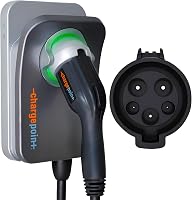
Choose the ChargePoint HomeFlex 50A Hardwired Charger for a fixed charging location where app controls are useful. Its adjustable 16–50A output lets the installation be matched to the electrical plan rather than automatically using maximum power.
This J1772 model has a 23-foot cable, and ChargePoint identifies it as suitable for indoor or outdoor installation by an electrician. Certain app functions need WiFi, so check reception at the planned mounting spot.
Skip this version if you need to unplug the unit and move it between locations. Also check your car's inlet before ordering: a vehicle with a NACS inlet needs a compatible adapter for this J1772 connector.
Who should choose the ChargePoint plug-in model?
Choose the ChargePoint HomeFlex NEMA 14-50 Charger when an electrician confirms a suitable outlet and you want app controls. It offers charging information and reminders without requiring you to choose the hardwired version.
This plug-in version supplies up to 40A and uses a J1772 connector. Don't confuse the HomeFlex name or amperage figures across versions with the output allowed by your particular installation.
Skip it if your program requires hardwiring or your existing outlet needs major work that removes the benefit of plugging in.
For connector guidance, see J1772 vs. NACS before adding an adapter to your plan.
Can a home charger qualify for a federal tax credit?
Check current IRS requirements for your project, rather than treating a charger as automatically eligible. A tax credit follows tax rules and doesn't work like an upfront rebate.
Review the property, location, equipment, and installation-date requirements before including a credit in your budget. Ask a tax professional about your circumstances if you're unsure.
A brand's broad eligibility statement doesn't establish that your address or project qualifies. Keep the official guidance you relied on with your installation records.
Which charger features matter after rebate approval?
Prioritize connector fit, cable reach, and enough overnight charging over the highest available amperage. Your vehicle's charging limit and the circuit capacity both affect what you can use.
Measure the cable route to the car's charge port in its normal parking position. Allow room to handle the connector without stretching the cable across a walking path or leaving it under a tire.
Have the electrician choose the charger setting for the installed circuit. Our EV charger breaker-size guide explains why charger output and breaker size are different numbers.
For outdoor parking, confirm the installation instructions cover the mounting position and exposure. Plan a place to store the connector and cable when the car is away.
Does a rebate change how the charger should be installed?
Program approval doesn't replace an electrical assessment. Have an electrician check panel capacity, wiring, circuit sizing, and permit needs before agreeing to the installation.
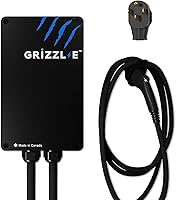
The Grizzl-E Classic suits buyers who want a plug-in unit with a metal enclosure and adjustable output. Its 24-foot cable gives you a specific reach to check against your parking layout.
It offers 16A, 24A, 32A, and 40A settings, with maximum output requiring a 50A breaker. Grizzl-E identifies the enclosure as IP67 water resistant and the charger as UL certified.
Skip it if your incentive requires documented app or managed-charging features that you haven't confirmed for this exact model. Its enclosure and adjustable settings don't establish compliance with those program requirements.
Read our guides to installing an EV charger yourself and Level 2 EV chargers before deciding how much work your project needs. Ask the installer to show you the selected current setting and cable storage arrangement.
What documents should you keep?
Keep one project folder containing approvals, receipts, installation records, and application confirmations. Save copies before submitting anything through a program portal.
Include the exact model number, itemized contractor invoice, permit or inspection records where applicable, and any required installation photos. Add proof of program enrollment if payment depends on it.
After submission, save the confirmation number and check for requests for missing information. Keep the folder until payment and any follow-up requirements are complete.
What mistakes can cost you the rebate or complicate charging?
The biggest avoidable mistake is buying before confirming the required order of steps. Other common errors include choosing the wrong model version, missing a deadline, or budgeting for expenses the program excludes.
Check any managed-charging agreement against your departure times and charging needs. Ask how schedule changes work and what happens if you leave the program.
After installation, keep the connector off the ground and store the cable in loose loops. Follow the manufacturer's care instructions, and stop using equipment with damaged insulation, a cracked connector, or signs of overheating.
For plug-in equipment, don't use unplugging as your routine way to stop a charging session. Follow the vehicle and charger instructions for ending the session before disconnecting anything.
What if no EV charger rebate is available?
Choose a setup you can afford without an incentive if no suitable program is open. Start with the charging you need between trips rather than paying for capacity you won't use.
Ask the utility about off-peak rates and compare their terms with your schedule. A charging-rate plan is a separate decision from equipment reimbursement.
Use an itemized estimate to compare home EV charger installation costs, including any electrical work needed for each option. Recheck program availability before authorizing the project.
How should you make the final rebate decision?
Pursue an EV charger rebate when the approved setup fits your car, home, and charging routine. Compare the final installed cost and any ongoing commitments before choosing among eligible models.
Pick the hardwired ChargePoint for a fixed installation with app controls, the plug-in ChargePoint for an approved outlet with similar app needs, or the Grizzl-E for its adjustable output and metal enclosure. Require written confirmation of any program-specific features before ordering.
Your next step is an electrical estimate paired with the program checklist. Use the home EV charger guide to narrow the equipment choices before requesting that estimate.
Frequently asked questions
Are there federal rebates for home EV chargers?
A federal tax credit is different from a rebate, so check current IRS guidance rather than assuming a charger qualifies; eligibility can depend on your location, property, equipment, and installation date. Keep supporting records and ask a tax professional how the current rules apply to your project.
Do electric utilities offer EV charger rebates?
Some utilities offer incentives for home charging, but availability and requirements vary by service area; ask your utility whether applications are open and whether you need preapproval, an approved model, or a participating installer. Also check whether payment depends on joining a managed charging plan or maintaining a connection.
Can I get a rebate for EV charger installation?
A program may cover installation, equipment, or both, so read its eligible-cost rules before accepting an estimate; ask about wiring, permits, outlet work, and panel upgrades separately. Keep itemized invoices and approval records, and confirm whether an inspection or completed application is required before the program sends payment.
Should I buy a charger before applying for a rebate?
Check the application order before buying because some programs require approval first; confirm the exact model, installation method, and eligible dates in writing. If the program allows buying before applying, save your receipt and note the submission deadline so a suitable charger doesn't become an ineligible expense.