Do You Need a Level 2 Charger at Home?
You need a Level 2 charger at home if Level 1 can't replace your daily driving before your next departure. Keep Level 1 if it covers your routine with some charge to spare; choose Level 2 for recurring shortfalls or shorter charging windows.
On this page (7 sections)
- When do you need a Level 2 charger at home?
- Can a regular outlet keep up with your driving?
- What changes when you move to Level 2?
- Does a Level 2 charger require electrical work?
- How should you set up and care for a home charger?
- Is faster charging worth the cost for your routine?
- Do you need a Level 2 charger at home?
You need a Level 2 charger at home if a regular outlet can't replace your daily driving before your next departure. If Level 1 keeps up with your routine and leaves a useful reserve, upgrading is optional.
Base the choice on your busiest normal week, rather than a rare road trip. The goal is enough charge for tomorrow, not a full battery every morning.
When do you need a Level 2 charger at home?
Level 2 makes sense when daily driving outpaces overnight charging or you need to refill between closely spaced trips. It also gives you more flexibility when you forget to plug in for a night.
A short commute with long nights parked at home may suit Level 1. A similar commute followed by evening errands and an early departure can leave much less charging time.
Reliable workplace charging can reduce what you need at home. Treat access you can count on differently from a shared charger that's often occupied.
For the basic differences, read our guide to Level 1 vs. Level 2 EV chargers.
How do I know if I need a Level 2 charger at home?
Track arrival charge, departure charge, and hours plugged in for a typical week. Note your daily miles and any public charging stops needed to cover the gap.
Check the vehicle's charge limit and schedule first. A delayed start or low charge limit can look like slow charging even when the equipment works correctly.
If your departure charge steadily falls across the week, Level 1 isn't replacing what you use. If it recovers each night, the main reason to upgrade is added flexibility.
Leave room for seasonal changes. Cold weather, cabin heating, and longer drives can reduce the margin you have during an easy week.
Can a regular outlet keep up with your driving?
A suitable 120V outlet may cover modest daily use when you have a long charging window. Plug-in hybrids with smaller batteries can also be a good fit, provided overnight charging restores the electric range you use.
Compare energy rather than relying on a universal miles-per-hour claim. If your car uses 9 kWh during the day and charging averages 1 kW into the battery, replacing that energy takes about 9 hours.
Use your vehicle's charging information for that estimate. Battery size alone doesn't tell you how much energy you need to replace each night.
The Lectron Level 1 Charger 15A has a NEMA 5-15 plug, J1772 connector, and 16-foot cord. It suits drivers who can leave the car connected for extended sessions and want a portable unit.
Choose it if slow charging covers your needs and the electrical setup meets its instructions. Skip it if you regularly need a substantial refill during a short evening stop.
Confirm circuit suitability before use, even when the plug fits. EV charging places a sustained load on wiring, and a familiar household outlet isn't proof that the circuit can support this charger's requirements.
Lectron specifies J1772 compatibility; Tesla vehicles need a compatible J1772-to-Tesla adapter. Check the vehicle's approved adapter requirements before ordering.
What changes when you move to Level 2?
Level 2 uses a 240V supply to add energy faster, giving you more charge during the same time parked. Your actual rate depends on the circuit, charger setting, and vehicle's onboard AC charging limit.
You don't need the highest available output to benefit. A lower-current Level 2 setup may cover your daily use without the electrical work required for a higher-output installation.
Check the car's AC charging limit, not its DC fast-charging figure. A powerful home charger can't make the onboard charger accept more than its limit.
Who should choose the Grizzl-E Classic?
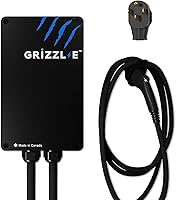
The Grizzl-E Classic suits drivers who want plug-in Level 2 charging and have a suitable NEMA 14-50 installation. Its metal enclosure and 24-foot cable make it worth considering for a fixed garage or outdoor parking spot.
Grizzl-E identifies the unit as UL certified and IP67 rated. Its current settings are 16A, 24A, 32A, and 40A, with the highest setting requiring a 50A circuit.
Have the installer set the output to match the approved circuit. Don't assume an existing outlet is suitable just because another appliance used it.
Skip this model if your plan calls for hardwiring or you specifically want the app controls described for the ChargePoint below. Check connector and adapter compatibility with your vehicle before buying.
Who should choose the ChargePoint HomeFlex?
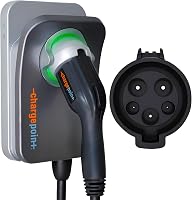
The ChargePoint HomeFlex suits drivers who want a permanent installation with app controls. This hardwired model has adjustable 16A to 50A output, a J1772 connector, and a 23-foot cable.
The app supports charging controls, reminders, and charging information. Wi-Fi is required for some functions, so check coverage at the planned mounting spot.
ChargePoint identifies it as UL certified and suitable for indoor or outdoor installation, with a cold-resistant cable. An electrician should handle the connection and output configuration.
Skip it if you want a charger you can unplug and take away easily. Also skip paying for output your vehicle can't use unless it serves a clear future vehicle plan.
Does a Level 2 charger require electrical work?
Level 2 needs a suitable circuit and connection, which may require new wiring, an outlet, or a hardwired installation. Have an electrician assess the panel capacity and cable route before choosing equipment.
An unused breaker space doesn't establish that the home has enough electrical capacity. Ask whether the proposed output fits the home's existing loads and whether a lower setting would meet your charging needs.
Review how much it costs to install a Level 2 EV charger before comparing chargers. The distance from the panel and work needed along the route can affect the overall decision.
For a plug-in setup, ask the electrician to assess the receptacle, wiring, and circuit protection. Our guide to hardwired vs. plug-in EV chargers explains which connection suits different homes.
Should you buy the charger before checking the circuit?
Agree on the installation plan first, then buy a compatible charger. This avoids choosing a plug, output level, or mounting location that doesn't suit the work.
Ask the electrician to document the supported charging output. Our guide to EV charger breaker size explains why charger amperage and breaker amperage aren't interchangeable.
For more equipment context, see home EV chargers: Level 1, Level 2, and what to buy.
How should you set up and care for a home charger?
Mount the charger where its cable reaches without tension, with the car parked in its usual position. Measure the actual cable path around the vehicle, rather than the straight distance from the wall.
Keep the connector off the ground and route the cable away from tires, doors, and walking paths. Store it in loose loops without sharp bends, following the manufacturer's instructions.
Plug directly into the approved outlet. A short cable needs a better mounting plan, not an improvised extension; read our guide to EV charger extension cords before planning the location.
Inspect the plug, connector, and cable for damage during routine use. Stop charging if you notice excessive heat, discoloration, a burning smell, or repeated faults, and arrange an inspection.
If your car and charger both offer schedules, choose one to manage the charging window. Conflicting schedules can prevent charging or leave less time than you expected.
Set the daily battery limit according to your vehicle's manual. Charging to full every night isn't necessary simply because faster equipment makes it possible.
Is faster charging worth the cost for your routine?
Level 2 is worth considering when it removes a recurring charging problem. Its value is lower when Level 1 already covers your driving and dependable charging elsewhere handles occasional gaps.
Count how often you need an extra charging stop during a normal month. Include the time spent driving there and waiting, then weigh that against the complete home installation.
Don't size the system around a rare return from a road trip. Focus on the shortest regular charging window and the energy you need before the next drive.
Renters should confirm permission and installation arrangements before buying. If you expect to move soon, consider how long you'll benefit from electrical work that stays with the property.
Do you need a Level 2 charger at home?
Keep Level 1 when it restores your daily use with a reserve. Choose Level 2 when your records show repeated shortfalls or your schedule requires faster recovery.
Pick the Lectron for extended charging sessions on a suitable household circuit. Choose the Grizzl-E for a compatible plug-in Level 2 setup, or the ChargePoint for a hardwired installation with app controls.
Before committing, compare EV charger installation costs with the charging problem you're solving. The right setup meets your departure needs at an output your car and home can support.
Frequently asked questions
Do I need a Level 2 charger at home?
You need Level 2 if Level 1 regularly leaves you short of charge before your next drive; if overnight charging replaces your daily use with a useful reserve, keep Level 1. Base the decision on a normal week, including busy days and the shortest time you spend parked at home.
Can I charge an EV with a regular outlet overnight?
Yes, a compatible EV can charge overnight from a suitable 120V outlet and circuit; whether that covers tomorrow's driving depends on the vehicle, charger, weather, and hours plugged in. Follow both manuals, check the circuit's suitability, and compare your charge level at arrival and departure over several days.
How much faster is Level 2 charging?
Level 2 can add substantially more energy per hour than Level 1, but there's no single speed for every setup. Your vehicle's onboard AC charging limit, the charger's configured output, and the circuit set the ceiling; a higher-output charger won't shorten charging time once your car reaches its own limit.
Is installing a Level 2 charger worth it?
Installation is worthwhile when faster home charging solves a recurring shortage of time or reduces charging stops you otherwise need each week. Get an electrician's assessment before buying equipment; compare the complete installation plan with your current routine, including dependable workplace charging and how long you expect to stay in the home.